
In This Article, You’ll Learn: how biosafety cabinets protect personnel, products, and the laboratory environment, which performance features have the greatest impact on containment and safety, what to evaluate before selecting a cabinet, and how to choose the right solution for your laboratory or cleanroom.
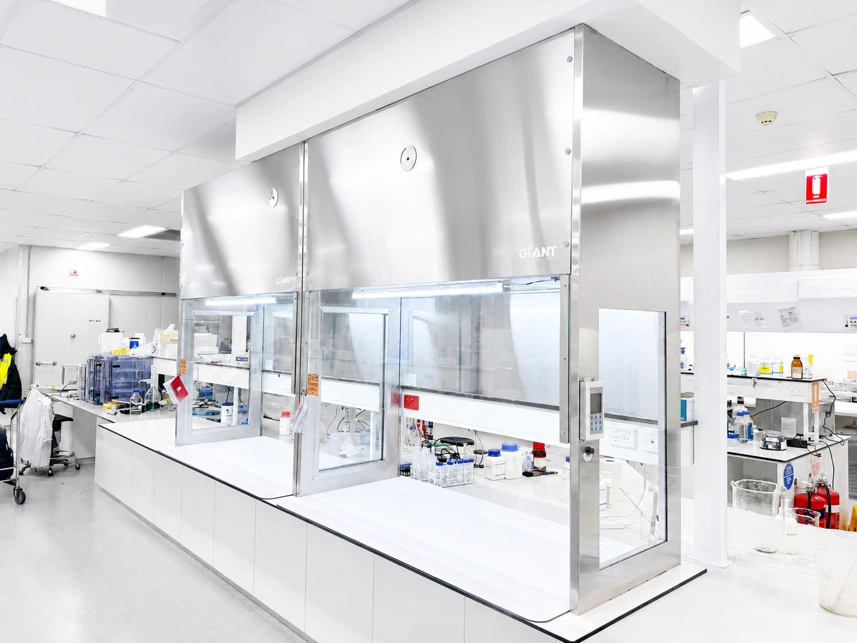
Selecting the right biosafety cabinet is one of the most important decisions for laboratories handling biological materials. Choosing the wrong cabinet can compromise operator safety, contaminate samples, and expose the laboratory environment to hazardous microorganisms. Unfortunately, many buyers focus only on size or price without understanding the performance requirements that truly matter.
This is why biosafety cabinets must be selected based on application, protection level, airflow design, and compliance with recognized standards. Understanding these factors helps laboratories create safer work environments while ensuring reliable containment and long-term operational performance.
Biosafety cabinets are primary containment devices that use controlled airflow and high-efficiency filtration to prevent exposure to biological hazards. Unlike standard laboratory enclosures, biosafety cabinets are specifically engineered to provide simultaneous protection for:
• Laboratory personnel
• Biological samples
• The surrounding environment
Depending on the type of research performed, laboratories may require different cabinet classifications, each designed for specific biological risk levels and laboratory procedures.
The effectiveness of biosafety cabinets depends on several integrated systems working together.
• Controlled Airflow:
One of the most important functions of biosafety cabinets is maintaining controlled airflow that prevents biological contaminants from escaping the work area. Carefully balanced inflow and downflow air create a protective barrier that isolates hazardous materials while preserving sample integrity.
• HEPA Filtration:
High-Efficiency Particulate Air (HEPA) filters capture airborne biological particles before air is either recirculated or exhausted. This filtration system allows biosafety cabinets to maintain extremely clean working conditions while minimizing the risk of cross-contamination.
• Cabinet Classification:
Different laboratory applications require different cabinet types. Class I, Class II, and Class III biosafety cabinets provide varying levels of personnel, product, and environmental protection depending on the biological hazards involved. Selecting the correct class is essential for both laboratory safety and regulatory compliance.
• Proper Certification and Maintenance:
Even the highest-quality cabinet requires periodic certification and preventive maintenance. Routine airflow testing, filter inspections, and performance verification ensure that biosafety cabinets continue operating within their designed safety parameters throughout their service life.
Selecting the correct cabinet begins with understanding the laboratory’s specific biological applications.
• Define the Biological Risk Level:
The type of biological materials being handled determines the level of containment required. Higher-risk applications typically require more advanced biosafety cabinets capable of providing increased operator and environmental protection.
• Match the Cabinet to Laboratory Procedures:
Different laboratory activities generate different airflow requirements. Procedures involving aerosols, infectious agents, or sterile sample preparation require cabinet configurations specifically designed for those operations.
• Verify Laboratory Space Requirements:
Cabinet dimensions, airflow clearances, utility connections, and room ventilation should all be evaluated before installation. Proper placement helps biosafety cabinets maintain stable airflow and optimal containment performance.
• Prioritize Certified Equipment:
Selecting certified biosafety cabinets that comply with recognized industry standards provides greater confidence in long-term safety, performance, and regulatory compliance.
Before purchasing biosafety cabinets, verify the following:
• Cabinet classification
• HEPA filtration performance
• Airflow design
• Certification documentation
• Laboratory compatibility
• Maintenance accessibility
• Installation requirements
• Applicable safety standards
Reviewing these factors helps laboratories choose equipment that provides reliable biological containment for years of operation.
| Feature | Certified Biosafety Cabinets | Standard Laboratory Enclosures |
|---|---|---|
|
Personnel Protection |
Excellent |
Limited |
|
Sample Protection |
Excellent |
Varies |
|
Environmental Protection |
Excellent |
Limited |
|
HEPA Filtration |
Yes |
Not Always |
|
Biological Containment |
High |
Low |
|
Regulatory Compliance |
Designed for Compliance |
Depends on Equipment |
Although several laboratory enclosures may appear similar, only biosafety cabinets are specifically engineered to provide simultaneous protection for personnel, biological materials, and the surrounding environment. Selecting the appropriate cabinet ensures laboratories maintain both safety and research integrity.
Many laboratories reduce the effectiveness of biosafety cabinets because of avoidable specification and operational errors.
• Selecting the Wrong Cabinet Class:
Different biological applications require different cabinets. Choosing the incorrect class may provide insufficient protection for laboratory activities.
• Ignoring Airflow Requirements:
Cabinet performance depends on maintaining stable airflow. Poor placement near doors, vents, or high-traffic areas can disrupt containment.
• Delaying Certification:
Biosafety Cabinets should undergo regular certification to verify airflow performance, filter integrity, and overall containment effectiveness.
• Overloading the Work Area:
Excessive equipment or poor workspace organization interferes with airflow patterns, reducing cabinet performance and increasing contamination risks.
• Neglecting Preventive Maintenance:
Filters, fans, and monitoring systems require routine inspection to ensure cabinets continue operating safely throughout their lifespan.
Selecting the right biosafety cabinets is essential for protecting laboratory personnel, preserving biological samples, and maintaining a safe research environment. By understanding cabinet classifications, airflow principles, filtration systems, certification requirements, and installation considerations, laboratories can make informed decisions that improve both safety and operational efficiency. Investing in properly specified and well-maintained biosafety cabinets provides long-term protection while supporting regulatory compliance and reliable scientific research.
Safety cabinets should typically be certified when installed, after relocation or major repairs, and at least once every year to verify airflow performance and biological containment.
Although some safety cabinets can accommodate small quantities of certain chemicals, they are primarily designed for biological protection. Laboratories should evaluate manufacturer recommendations before using chemicals inside the cabinet.
safety cabinets are commonly used in microbiology, molecular biology, pharmaceutical research, clinical laboratories, biotechnology, healthcare, and any application involving potentially infectious biological materials.
With proper maintenance, certification, and filter replacement, safety cabinets can provide reliable performance for many years. Actual lifespan depends on usage, operating conditions, and preventive maintenance practices.
When evaluating safety cabinets, consider the biological risk level, required cabinet class, available laboratory space, airflow requirements, certification, maintenance accessibility, and future operational needs to ensure safe and efficient laboratory performance.

Looking for a personalized quote on laboratory design or customized laboratory furniture?
We support your project with fully managed design & manufacturing solutions, ensuring every detail aligns with your workflow, safety needs, and performance requirements.
 Expert guidance included — free 3D design
Our lab safety specialists review your project personally.
 Fully custom — material, dimensions, configuration & finish
Furniture designed around your lab’s workflow, space constraints, and compliance requirements.
 American owned & operated — nationwide delivery
Manufactured and supported from Florida.