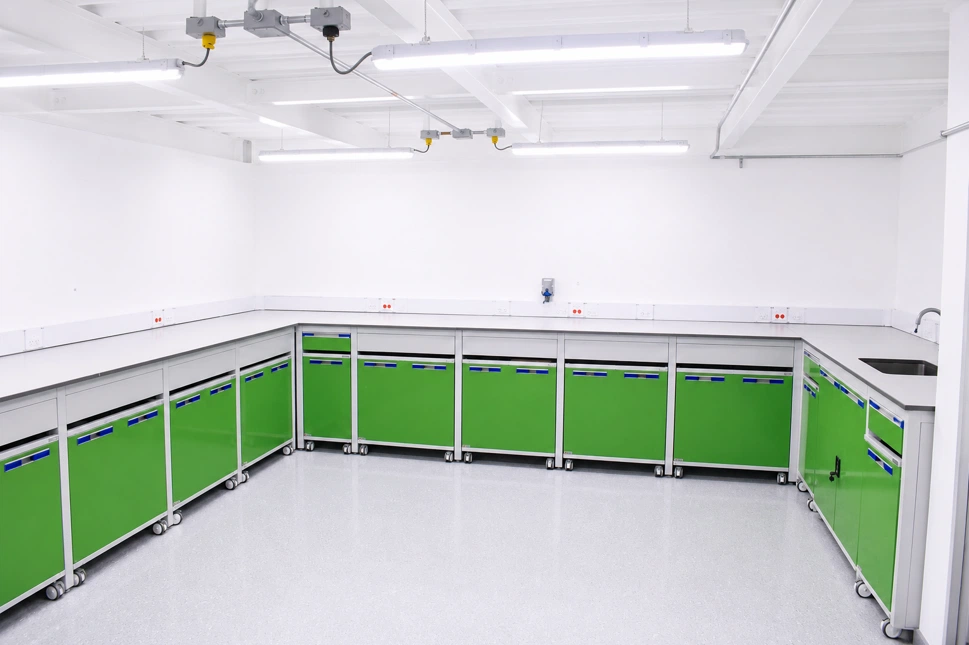
Ceramic Countertops

⭐⭐⭐⭐⭐ 4.5 / 5 | Google reviews for norlab.us

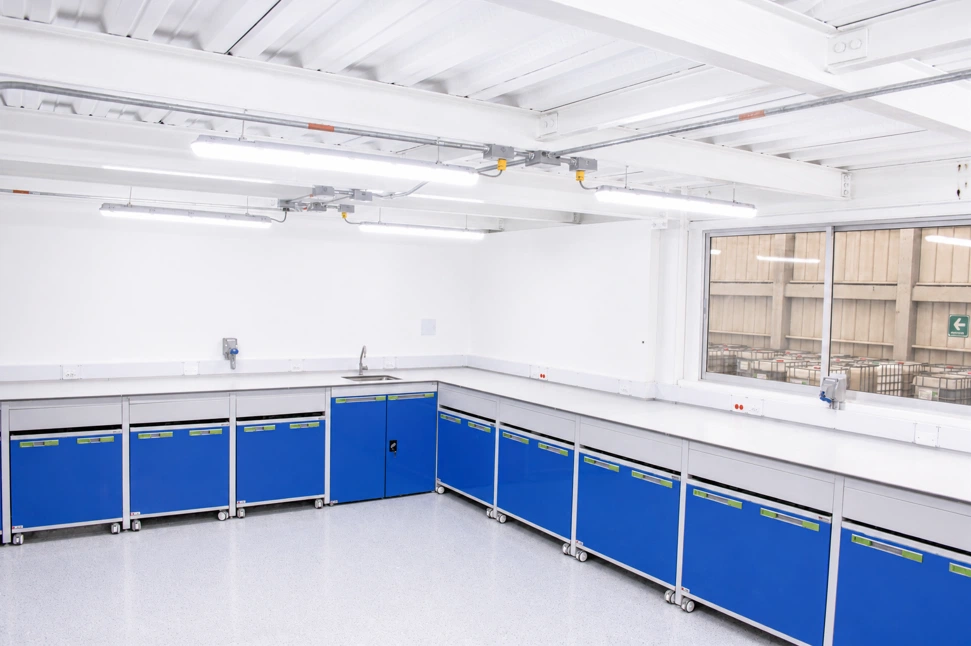
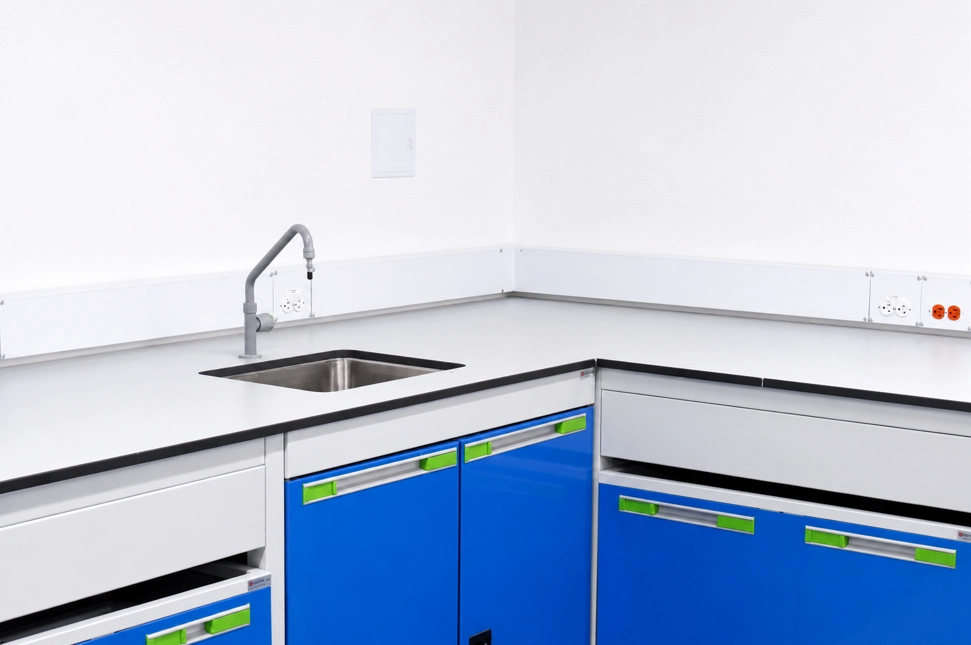
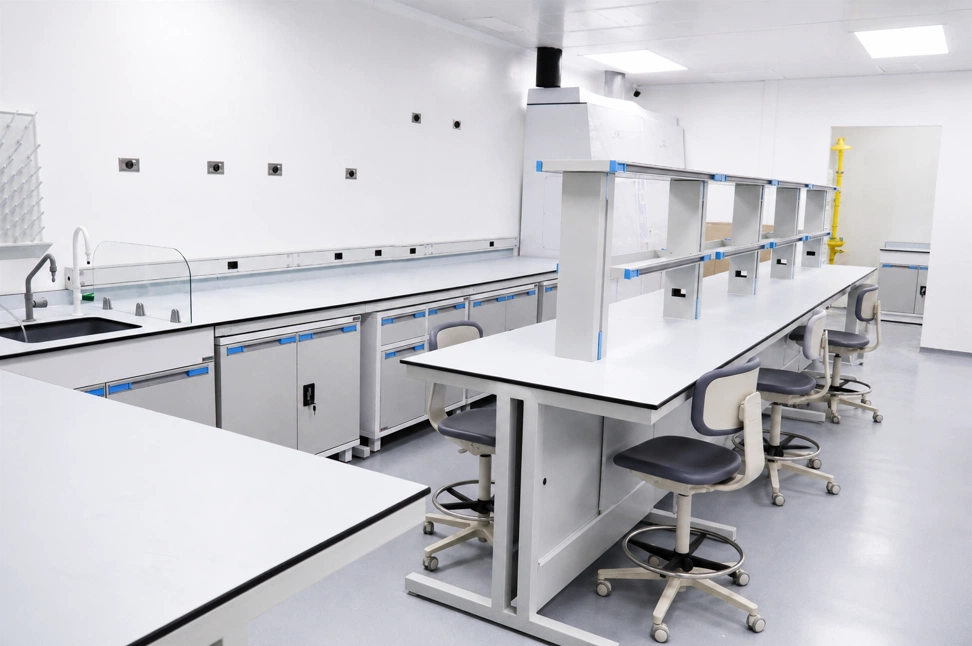
The Norlab ceramic countertops offer the highest level of thermal and chemical resistance that your laboratory requires for high-temperature processes, extreme chemical exposure, and materials science applications:

• Resistance
Our ceramic countertops are engineered to withstand direct flame contact, sustained high temperatures, and concentrated corrosive chemicals, maintaining dimensional stability and structural integrity under the most demanding laboratory conditions.

• Customization
Our ceramic countertops can be customized in thickness, tile configuration, grout composition, and cutout layout to match the specific thermal loads, chemical exposure profiles, and spatial requirements of your laboratory.

• Compliance
Our ceramic countertops meet SEFA 3, ANSI/BIFMA X5.5, and ISO 9001 standards, ensuring chemical, high temperature and abrasion resistance, structural and safety performance required for certified laboratory use.

Ceramic Countertops Specifications

Chemical Resistance​

Chemical Resistance​

Abrasion Resistance

Abrasion Resistance

High Temperature Resistant

Heat Resistant

Light Reflectance Value (LRV)

Light Reflectance

Surface Easy to Clean​

Surface Easy to Clean​

Long-lasting Durability

Long Durability

Norlab ceramic countertops are engineered using vitrified ceramic tile bonded to a reinforced substrate with chemically resistant grout, producing a worksurface capable of withstanding sustained temperatures exceeding 1000°F and direct contact with concentrated hydrofluoric, sulfuric, and nitric acids without surface degradation. The fired ceramic material is fully non-porous and chemically inert across virtually all laboratory reagents, making it the surface of choice for materials science, geology, high-temperature synthesis, and furnace-adjacent work areas where no polymer-based surface can be safely deployed. Every unit is manufactured under strict American quality standards and designed to provide the most chemically and thermally robust worksurface available for extreme-condition laboratory environments.

Ceramic Countertops Comparison Table

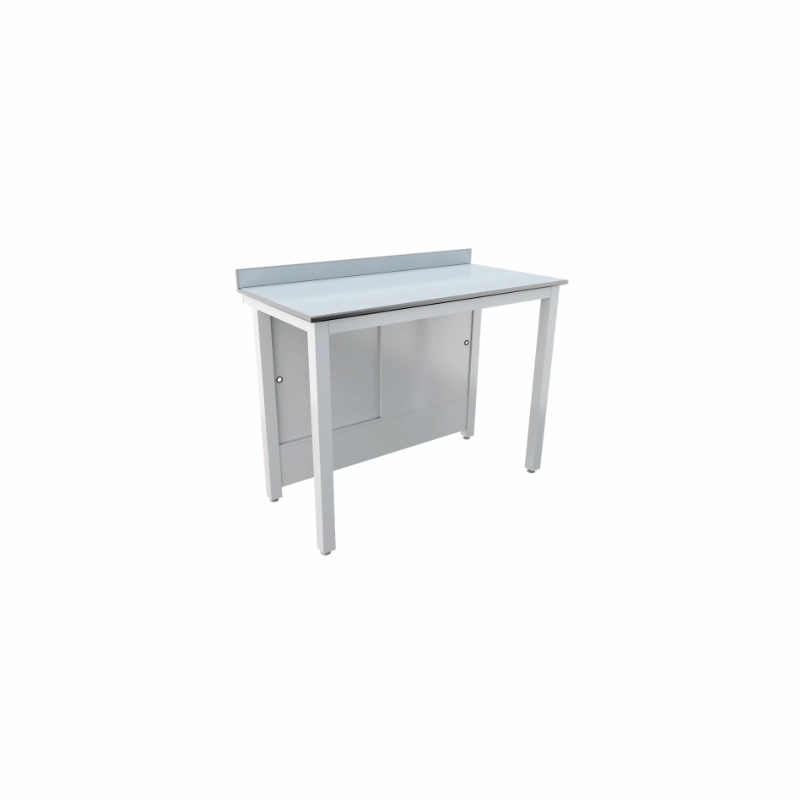
Comparison Table Ceramic Countertops Ceramic Countertops Ceramic Countertops

Reference

Type C Structure

Type U Structure

Type O Structure

Minimum Dimensions:
(Width × Depth × Height)

23.62″ x 23.62″ x 29.53″ in

23.62″ x 23.62″ x 29.53″ in

23.62″ x 23.62″ x 29.53″ in

Maximum Dimensions:
(Width × Depth × Height)

70.87″ x 35.43″ x 35.43″ in

70.87″ x 35.43″ x 35.43″ in

70.87″ x 35.43″ x 35.43″ in

Maximum Load

441 lb

772 lb

948 lb

Product Certifications with USA Standards

• SEFA 3
Performance standard developed by the scientific equipment and furniture association (SEFA) for laboratory work surfaces and countertops. Establishes testing and performance requirements for chemical resistance, heat resistance, impact resistance, abrasion resistance, stain resistance, load performance, moisture resistance, flame resistance, and long-term durability of laboratory-grade countertop materials including epoxy resin, phenolic resin, stainless steel, and specialty laboratory surfaces used in research, pharmaceutical, healthcare, educational, and industrial laboratory environments.

• ANSI/BIFMA X5.5
American national performance standard developed by the business and institutional furniture manufacturers association (BIFMA) for desk products and tables. Establishes testing and performance requirements for structural integrity, static and dynamic load capacity, stability, impact resistance, fatigue resistance, durability, and user safety of freestanding ceramic countertops and work surfaces subjected to repeated use in commercial, institutional, educational, healthcare, research, and laboratory environments. Commonly applied to independent laboratory benches, laboratory worktables, mobile benches, and general-purpose laboratory workstations where long-term structural performance and reliability are required.

ISO 9001
International quality management standard published by the international organization for standardization (ISO). Establishes requirements for a documented quality management system (QMS) focused on consistent manufacturing processes, quality control, customer satisfaction, continuous improvement, and product traceability. For ceramic countertops, ISO 9001 certification demonstrates that manufacturing operations follow recognized quality management practices designed to ensure consistent product performance, material quality, production reliability, and compliance with customer and regulatory requirements across laboratory, healthcare, educational, pharmaceutical, and industrial applications.

Product Gallery

Success Stories

• We installed Norlab’s ceramic countertops, and they’ve been outstanding. The heat resistance is exactly what we needed for high-temperature work, and the surface still looks brand new. ⭐⭐⭐⭐⭐

• We were looking for a surface that could handle both heavy equipment and constant cleaning. The ceramic countertops delivered on every front. Quality, durability, and finish all exceeded our expectations. ⭐⭐⭐⭐⭐

Frequently Asked Questions

Ceramic countertops are built for continuous exposure to aggressive lab chemicals, not just occasional spills. They resist concentrated acids, strong bases, and most organic solvents without staining or degrading under normal laboratory use. Chemicals like hydrochloric acid, sulfuric acid, acetone, and methanol generally do not damage the surface. The main exception is hydrofluoric acid (HF), which can attack ceramic over time. For most chemistry and research labs, ceramic offers some of the highest chemical resistance available.

Lab-grade ceramic countertops can handle sustained temperatures above 300°C (572°F) without warping or burning. Unlike phenolic or acrylic surfaces, ceramic is designed to tolerate direct contact with hot plates, heating mantles, and hot glassware. Under normal lab conditions, placing a hot plate directly on the surface will not cause permanent damage. The biggest risk comes from heavy impact combined with rapid thermal shock, which can crack weakened sections. In high-heat laboratory environments, ceramic is one of the safest surface options available.

A properly installed ceramic countertop can last 30 to 50 years or longer in a laboratory setting. The surface resists wear from chemicals, heat, and routine cleaning far better than most materials. Replacement is usually caused by physical damage rather than surface deterioration. Deep cracks, loose sections, or damaged grout joints are the clearest signs that replacement may be necessary. Minor cosmetic marks typically do not affect performance or safety.

Deep cracks or chips in ceramic countertops cannot usually be repaired without leaving visible damage behind. Small cosmetic imperfections may be stabilized with fillers, but the original finish cannot truly be restored. Unlike acrylic or epoxy, ceramic does not blend back after major repairs. The advantage is that most lab ceramic countertops are installed in sections, so only the damaged piece normally needs replacement. Preventing heavy impact is important because repair options are limited.

Ceramic countertops are essentially maintenance-free once installed. The surface does not require sealing, waxing, or chemical treatments to maintain its performance. Regular cleaning with non-abrasive lab cleaners is usually enough for daily maintenance. The only areas that need periodic attention are the perimeter joints and grout lines around sinks or walls. When properly maintained, the ceramic surface itself can last for decades with very little upkeep.

Trust the Professionals.

+ 1000 Labs Manufactured & Installed in United States and Worldwide.

USA Map

Your lab’s work surface solved — chemically resistant, precision-cut, and matched to every process your team runs daily.

Tell us what chemicals and processes your bench needs to handle and we’ll recommend the right material, thickness, and cutout configuration — at no cost, no obligation.

🎯 Expert guidance included — free 3D design
Our lab safety specialists review your project personally.

✍🏼 Fully custom — material, thickness, edge, cutouts & finish
Chemical resistant ceramic countertops matched to your workflow.

📌 USA owned & operated — nationwide delivery
Manufactured and supported from Miami, FL.