
In This Article, You’ll Learn: how laboratory certifications ensure quality, safety, and regulatory compliance, which certifications are most important for different types of laboratories, what requirements to evaluate before selecting certified equipment or facilities, and how to choose the right certifications to support your laboratory’s operations.
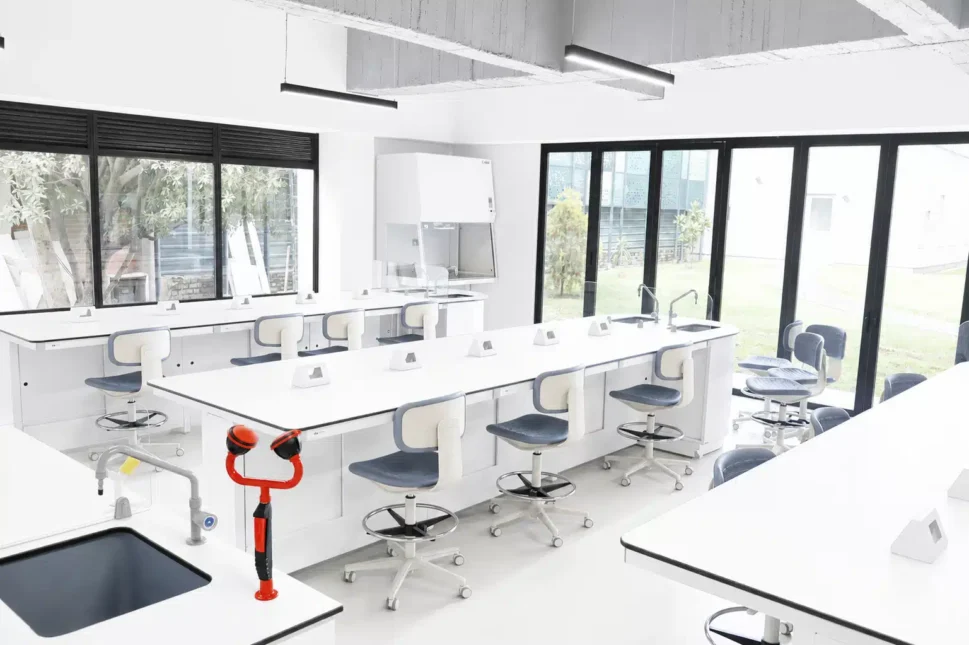
Designing or upgrading a laboratory involves more than selecting high-quality furniture and equipment. Without compliance with recognized industry standards, even well-built laboratories can face operational failures, failed inspections, safety risks, and unnecessary long-term costs.
This is why laboratory certifications are essential. They provide objective verification that products, materials, and systems have been tested to meet established performance and safety requirements. Understanding which certifications matter helps laboratories make informed purchasing decisions while ensuring compliance, durability, and operational reliability.
Laboratory certifications establish measurable performance requirements for laboratory equipment, furniture, materials, and facility design. Rather than relying solely on manufacturer claims, certifications require products to undergo standardized testing that evaluates their behavior under real operating conditions.
Depending on the certification, testing may include:
• Structural strength.
• Chemical resistance.
• Fire protection.
• Electrical safety.
• Surface durability.
• Ventilation performance.
• Workplace safety.
Together, these certifications provide confidence that laboratory components are capable of supporting safe and reliable operations throughout their service life.
Each certification focuses on a specific aspect of laboratory performance.
• ASTM Standards:
ASTM standards evaluate the physical performance of laboratory materials through standardized testing. These tests measure impact resistance, structural integrity, load capacity, abrasion resistance, moisture resistance, and chemical durability, helping laboratories compare materials using objective performance criteria.
• ISO Standards:
ISO certifications establish internationally recognized quality requirements that promote consistency across laboratory facilities. They evaluate factors such as surface performance, coating durability, structural behavior, and quality management processes, making them particularly valuable for organizations operating globally.
• SEFA Standards:
SEFA standards are specifically developed for laboratory furniture and equipment. They evaluate casework, benches, fume hoods, and other laboratory systems under conditions that closely simulate real laboratory use, making them among the most relevant certifications for laboratory infrastructure.
• Safety and Regulatory Standards:
Organizations such as ANSI, UL, NFPA, and OSHA establish requirements related to equipment safety, fire protection, workplace conditions, and system performance. Although their scope differs, together they create the framework that supports safe laboratory design and operation.
Not every laboratory requires the same certifications.
• Match Certifications to Your Laboratory Activities:
Research laboratories, pharmaceutical facilities, educational institutions, healthcare laboratories, and industrial testing centers each operate under different requirements. Selecting certifications that align with your laboratory’s activities ensures appropriate performance without unnecessary specifications.
• Prioritize Product-Specific Standards:
When evaluating laboratory furniture or equipment, focus on certifications developed specifically for those products rather than relying only on general manufacturing standards. This provides greater confidence that products have been tested under relevant operating conditions.
• Consider Future Compliance Requirements:
Laboratory regulations evolve over time. Choosing products that already meet widely recognized standards can simplify future inspections, renovations, and accreditation processes.
• Verify Manufacturer Documentation:
Manufacturers should provide clear documentation demonstrating compliance with applicable certifications. Independent testing reports and certification records help verify product performance before purchasing.
Before selecting laboratory furniture or equipment, verify the following:
• Applicable product certifications.
• Independent testing documentation.
• Compliance with laboratory regulations.
• Manufacturer quality management systems.
• Material performance certifications.
• Fire and electrical safety approvals.
• Product suitability for your laboratory application.
Reviewing these factors reduces purchasing uncertainty while helping ensure long-term laboratory performance.
| Certification | Primary Focus | Typical Application |
|---|---|---|
|
ASTM |
Material performance |
Laboratory furniture, surfaces, structural testing |
|
ISO |
International quality standards |
Manufacturing processes and product consistency |
|
SEFA |
Laboratory furniture performance |
Casework, countertops, fume hoods |
|
ANSI |
Equipment performance guidelines |
Laboratory systems and ergonomics |
|
NFPA |
Fire protection |
Chemical laboratories and hazardous materials |
|
OSHA |
Workplace safety regulations |
Laboratory operations and employee protection |
Each certification serves a different purpose. Rather than replacing one another, these standards complement each other by evaluating different aspects of laboratory safety, quality, and performance. The best laboratory projects incorporate multiple certifications to create a comprehensive compliance strategy.
Many laboratories assume that all certifications provide the same level of assurance, leading to poor purchasing decisions.
• Focusing Only on One Certification:
A product may comply with one standard while lacking certifications that address other important performance or safety requirements.
• Assuming Every Certification Applies:
Not every laboratory requires every available certification. Selecting standards should always be based on laboratory activities, regulatory obligations, and operational risks.
• Ignoring Independent Test Documentation:
Certification claims should always be supported by official documentation or third-party testing reports. Prioritizing Cost Over Compliance, Lower-cost products without recognized certifications may create higher maintenance costs, failed inspections, or premature replacement.
• Overlooking Regulatory Changes:
Laboratory regulations evolve over time, making it important to review certification requirements periodically and update specifications when necessary.
Laboratory certifications provide the foundation for building safe, reliable, and compliant laboratory environments. By understanding what each certification evaluates and selecting products that meet the appropriate standards, organizations can reduce operational risks, simplify regulatory compliance, and improve long-term laboratory performance. Rather than viewing certifications as administrative requirements, laboratories should consider them valuable tools for making informed purchasing decisions that support safety, quality, and operational excellence.
Laboratory certifications provide independent verification that laboratory furniture has been tested for performance, durability, and safety, helping buyers compare products using objective standards rather than marketing claims alone.
Yes. Choosing products with recognized laboratory certifications often reduces maintenance requirements, minimizes premature equipment replacement, and lowers the risk of compliance-related expenses throughout the laboratory’s lifecycle.
Organizations should periodically review applicable laboratory certifications, especially when expanding facilities, purchasing new equipment, or updating laboratory operations to ensure continued compliance with current industry requirements.
No. Laboratory certifications are equally valuable during renovations, laboratory upgrades, and equipment replacement projects because they help ensure that new components integrate safely with existing infrastructure.
When evaluating suppliers, verify that their laboratory certifications are supported by independent testing, current documentation, proven product performance, and experience designing solutions specifically for laboratory environments.

Looking for a personalized quote on laboratory design or customized laboratory furniture?
We support your project with fully managed design & manufacturing solutions, ensuring every detail aligns with your workflow, safety needs, and performance requirements.
 Expert guidance included — free 3D design
Our lab safety specialists review your project personally.
 Fully custom — material, dimensions, configuration & finish
Furniture designed around your lab’s workflow, space constraints, and compliance requirements.
 American owned & operated — nationwide delivery
Manufactured and supported from Florida.