
In This Article, You’ll Learn: how laboratory design decisions affect total project costs, which hidden expenses have the greatest impact on budgets and long-term performance, what to evaluate before planning or building a laboratory, and how to avoid costly mistakes while creating an efficient, compliant laboratory.
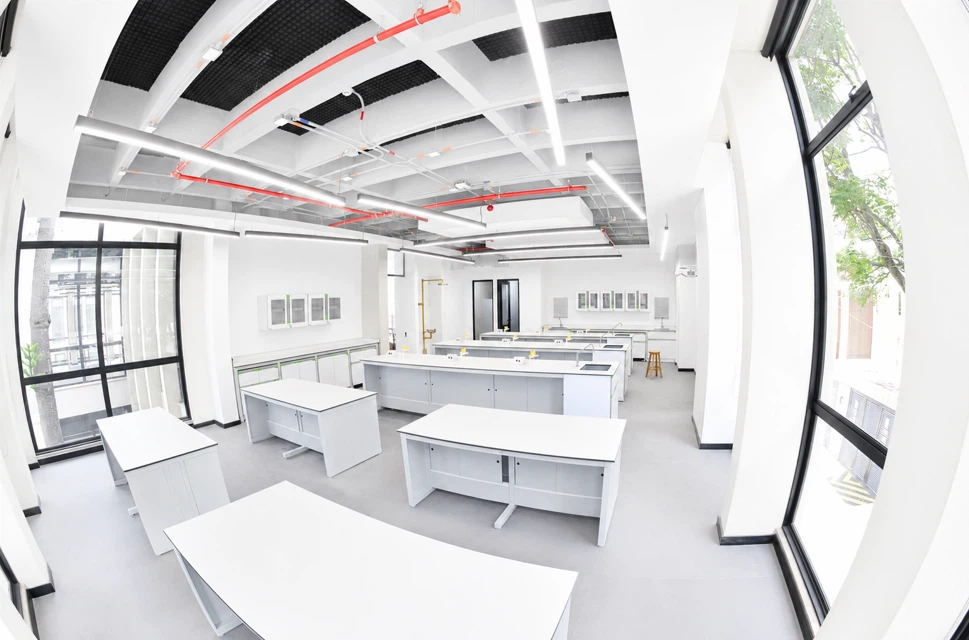
Many laboratory projects exceed their original budgets—not because of expensive equipment, but because critical planning decisions were overlooked during the design phase. Poor layouts, insufficient utilities, regulatory oversights, and future expansion needs often lead to unexpected expenses long after construction begins.
Effective laboratory design goes beyond creating an attractive workspace. It requires strategic planning that balances functionality, safety, flexibility, and long-term operating costs. Identifying hidden expenses early allows organizations to make better investments while avoiding costly redesigns and operational disruptions.
Laboratory design is the foundation of every successful laboratory project. Rather than focusing only on furniture and equipment placement, laboratory design coordinates architectural planning, engineering systems, workflow, safety requirements, utilities, and future operational needs into a single integrated solution.
An effective laboratory design addresses:
• Workflow efficiency.
• Utility distribution.
• Equipment integration.
• Personnel safety.
• Regulatory compliance.
• Future scalability.
When these elements are considered together, laboratories operate more efficiently while reducing long-term ownership costs.
Successful laboratory design combines several interconnected planning strategies.
• Workflow Optimization:
An efficient layout minimizes unnecessary movement between workstations, equipment, storage, and utilities. Optimized workflows improve productivity, reduce operator fatigue, and shorten process times throughout daily laboratory operations.
• Utility Planning:
Laboratories depend on electrical systems, water, gases, vacuum, compressed air, drainage, and HVAC infrastructure. Proper utility planning ensures these services meet both current operational requirements and future laboratory expansion without requiring costly retrofits.
• Material Selection:
Laboratory furniture, countertops, flooring, and utility systems should withstand chemical exposure, moisture, cleaning procedures, and continuous daily use. Selecting durable materials reduces maintenance costs while extending the service life of laboratory infrastructure.
• Equipment Integration:
Modern laboratories rely on increasingly sophisticated instruments. Planning adequate space, utilities, environmental controls, and accessibility during the design phase helps avoid expensive equipment relocations or facility modifications later.
A successful laboratory project begins long before construction starts.
• Define Operational Requirements:
Laboratory activities determine the layout, utilities, equipment, storage, and environmental controls required for efficient operation. Understanding current and future workflows allows designers to create spaces that remain functional as laboratory needs evolve.
• Prioritize Flexibility:
Research priorities and technologies change over time. Flexible laboratory layouts with modular furniture and adaptable utility systems simplify future renovations while reducing long-term costs.
• Integrate Compliance Early:
Safety regulations should be incorporated from the beginning rather than added after construction. Designing for compliance helps prevent project delays, failed inspections, and unnecessary redesign expenses.
• Consider Lifecycle Costs:
The lowest initial construction cost is not always the most economical solution.Evaluating maintenance requirements, durability, energy efficiency, and operational expenses provides a more accurate understanding of total laboratory ownership costs.
Before beginning laboratory design, verify the following:
• Workflow requirements.
• Utility capacity.
• Equipment specifications.
• Available expansion space.
• Material durability.
• Regulatory requirements.
• HVAC performance.
• Long-term maintenance needs.
Reviewing these factors early helps eliminate hidden costs while supporting efficient laboratory operations.
| Feature | Basic Laboratory Design | Comprehensive Lab Design |
|---|---|---|
|
Workflow Planning |
Limited |
Optimized |
|
Utility Coordination |
Basic |
Fully Integrated |
|
Regulatory Compliance |
Reactive |
Planned From the Beginning |
|
Long-Term Maintenance |
Higher |
Lower |
|
Total Cost of Ownership |
Higher |
Optimized |
Basic laboratory designs often focus primarily on construction costs while overlooking long-term operational requirements. Comprehensive laboratory design considers the entire lifecycle of the facility, reducing hidden expenses through better planning, improved flexibility, and higher operational efficiency. Although the initial investment may be greater, comprehensive planning typically delivers significantly lower long-term costs.
Many hidden laboratory costs originate from planning decisions made early in the project.
• Designing Only for Current Needs:
Laboratories frequently expand or adopt new technologies, making future flexibility essential.
• Underestimating Utility Requirements:
Insufficient electrical capacity, ventilation, or specialty utilities often require expensive upgrades after installation.
• Selecting Materials Based Only on Initial Cost:
Lower-cost materials may require more maintenance, deteriorate faster, or perform poorly in demanding laboratory environments.
• Treating Compliance as a Final Step:
Delaying regulatory planning can result in redesigns, project delays, and higher construction costs.
• Ignoring Equipment Growth:
Failing to anticipate future instruments or workflow changes often creates expensive facility modifications later.
Successful laboratory design is about much more than creating functional workspaces—it is about preventing problems before they occur. By carefully planning workflows, utilities, material selection, regulatory compliance, and future expansion, organizations can significantly reduce hidden costs while improving laboratory safety, productivity, and operational reliability. Investing in comprehensive laboratory design provides long-term financial benefits, helping laboratories adapt to changing technologies while maintaining efficient and compliant operations.
A well-planned lab design ensures that equipment, utilities, workflows, and safety systems work together efficiently, preventing costly modifications after installation.
Yes. Effective lab design improves workflow efficiency, reduces maintenance requirements, optimizes energy consumption, and minimizes the need for future renovations, lowering total ownership costs.
A modern lab design should allow future equipment upgrades, workflow changes, and laboratory expansion without requiring major structural modifications, extending the useful life of the facility.
Lab design should begin during the earliest planning stages so that infrastructure, utilities, compliance requirements, and operational objectives can be integrated before construction starts.
When evaluating providers, choose a company with experience in lab design, knowledge of laboratory regulations, engineering expertise, customization capabilities, and a proven ability to develop scalable, efficient, and future-ready laboratory environments.

Looking for a personalized quote on laboratory design or customized laboratory furniture?
We support your project with fully managed design & manufacturing solutions, ensuring every detail aligns with your workflow, safety needs, and performance requirements.
 Expert guidance included — free 3D design
Our lab safety specialists review your project personally.
 Fully custom — material, dimensions, configuration & finish
Furniture designed around your lab’s workflow, space constraints, and compliance requirements.
 American owned & operated — nationwide delivery
Manufactured and supported from Florida.