
In This Article, You’ll Learn: how fast emergency response reduces injuries and minimizes laboratory damage, which preparedness measures have the greatest impact on personnel safety, what to evaluate when developing an emergency response plan, and how to create an effective strategy for your laboratory.
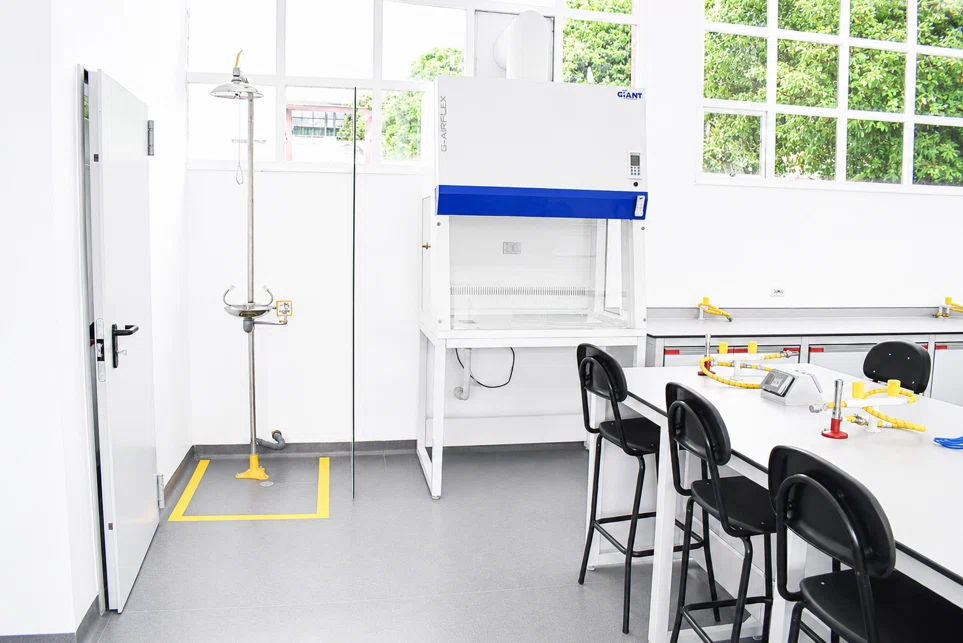
Laboratories are designed to minimize risk, but emergencies can still happen without warning. Chemical spills, fires, equipment failures, and accidental exposures require immediate action to prevent injuries, protect research, and minimize operational disruption. In many cases, the outcome depends less on the incident itself than on how quickly and effectively personnel respond.
This is why laboratory emergencies require more than safety equipment—they demand preparation, clear procedures, and trained personnel capable of acting under pressure. A well-developed emergency response plan significantly reduces risks while improving overall laboratory safety.
Laboratory emergencies include any event that requires immediate action to protect personnel, research activities, or laboratory infrastructure. These situations may involve:
• Chemical spills.
• Fire incidents.
• Hazardous material exposure.
• Gas leaks.
• Electrical failures.
• Equipment malfunctions.
• Medical emergencies.
Although each emergency is different, the objective remains the same: control the situation quickly while protecting people and preventing further escalation. An effective emergency plan ensures that every individual understands their responsibilities before an incident occurs.
Successful emergency response depends on several systems working together.
• Immediate Access to Safety Equipment:
Emergency equipment must be strategically located where it can be reached without delay. Safety showers ,eyewash stations, fire extinguishers, spill kits, and emergency shut-off devices should remain clearly visible, unobstructed, and regularly inspected to ensure they function properly when needed.
• Clear Emergency Procedures:
Personnel should never have to decide what to do during an emergency. Well-developed response procedures provide clear instructions for different incident types, helping laboratory staff react quickly and consistently under stressful conditions.
• Continuous Training:
Regular emergency drills allow personnel to practice procedures before real incidents occur. Hands-on training improves confidence, reinforces correct actions, and helps identify weaknesses that can be corrected before an actual emergency.
• Effective Communication:
Rapid communication allows emergency responders and laboratory personnel to coordinate their actions immediately. Alarm systems, reporting procedures, emergency contacts, and clear communication protocols help reduce response times while improving overall incident management.
Emergency preparedness should be incorporated into daily laboratory operations rather than treated as a separate activity.
• Identify Laboratory Risks:
Every laboratory presents unique hazards depending on the chemicals, equipment, and research activities involved. Risk assessments help determine which emergency scenarios require specific procedures and specialized safety equipment.
• Assign Responsibilities:
Each employee should understand their role during an emergency, including evacuation procedures, incident reporting, and emergency equipment operation. Clearly defined responsibilities reduce confusion during critical situations.
• Conduct Regular Drills:
Routine emergency exercises help verify that response procedures remain effective while ensuring personnel stay familiar with established protocols. Drills also reveal opportunities for continuous improvement.
• Review and Update Procedures:
Emergency plans should be reviewed whenever laboratory operations, equipment, personnel, or facility layouts change. Keeping procedures current helps laboratories remain prepared for evolving operational risks.
Before an emergency happens, verify the following:
• Emergency equipment accessibility.
• Eyewash and safety shower functionality.
• Fire extinguisher inspections.
• Emergency contact information.
• Evacuation routes.
• Personnel training records.
• Emergency communication systems.
• Laboratory emergency procedures.
Routine verification helps ensure laboratories remain prepared to respond immediately when incidents occur.
| Emergency Planning Approach | Reactive Response | Planned Emergency Response |
|---|---|---|
|
Response Time |
Slow |
Slow |
|
Personnel Preparedness |
Limited |
Well Trained |
|
Safety Equipment Accessibility |
Inconsistent |
Strategically Planned |
|
Communication |
Uncoordinated |
Clearly Defined |
|
Risk of Injury |
Higher |
Lower |
|
Operational Recovery |
Longer |
Faster |
Laboratories without structured emergency planning often rely on improvised decisions during critical situations. A comprehensive emergency response program provides standardized procedures that improve coordination, reduce injuries, and accelerate recovery after an incident. Preparation consistently produces better outcomes than reacting after an emergency has already escalated.
Many laboratory incidents become more severe because of avoidable planning deficiencies.
• Assuming Safety Equipment Alone Is Enough:
Emergency equipment cannot prevent injuries if personnel do not know how or when to use it.
• Failing to Practice Emergency Procedures:
Written procedures are far less effective without regular drills that reinforce proper response actions.
• Blocking Access to Emergency Equipment:
Storage materials, furniture, or equipment should never obstruct eyewash stations, fire extinguishers, emergency exits, or safety showers.
• Delaying Incident Reporting:
Even minor incidents should be reported immediately to prevent escalation and allow timely corrective action.
• Neglecting Emergency Plan Updates:
Laboratory layouts, equipment, and personnel change over time, making periodic reviews essential to maintain effective emergency preparedness.
Effective emergency response begins long before an incident occurs. By combining accessible safety equipment, clearly defined procedures, continuous training, efficient communication, and thoughtful laboratory design, organizations can significantly reduce the impact of laboratory emergencies while protecting personnel and maintaining operational continuity. Investing in emergency preparedness is one of the most valuable decisions a laboratory can make, creating a safer environment where people can respond confidently when every second matters.
Laboratory emergencies response plans should be reviewed regularly and updated whenever laboratory procedures, equipment, personnel, or facility layouts change to ensure they remain effective and relevant.
Responsibility for laboratory emergencies is typically shared between laboratory managers, safety officers, supervisors, and trained personnel, with clearly defined roles established before an incident occurs.
Yes. Modern technologies such as digital monitoring systems, automated alarms, emergency notification platforms, and building management systems can significantly improve laboratory emergencies preparedness and response coordination.
Regular drills help personnel practice procedures, improve decision-making under pressure, and verify that laboratory emergencies response plans function effectively before real incidents occur.
An effective laboratory emergencies program should include hazard assessments, emergency equipment, written procedures, communication protocols, personnel training, routine inspections, and continuous plan improvements to ensure rapid and coordinated emergency response.

Looking for a personalized quote on laboratory design or customized laboratory furniture?
We support your project with fully managed design & manufacturing solutions, ensuring every detail aligns with your workflow, safety needs, and performance requirements.
 Expert guidance included — free 3D design
Our lab safety specialists review your project personally.
 Fully custom — material, dimensions, configuration & finish
Furniture designed around your lab’s workflow, space constraints, and compliance requirements.
 American owned & operated — nationwide delivery
Manufactured and supported from Florida.