
In This Article, You’ll Learn: how laboratory trolleys improve material handling, safety, and workflow efficiency, which design features have the greatest impact on daily performance, what to evaluate before selecting a trolley, and how to choose the right solution for your laboratory.
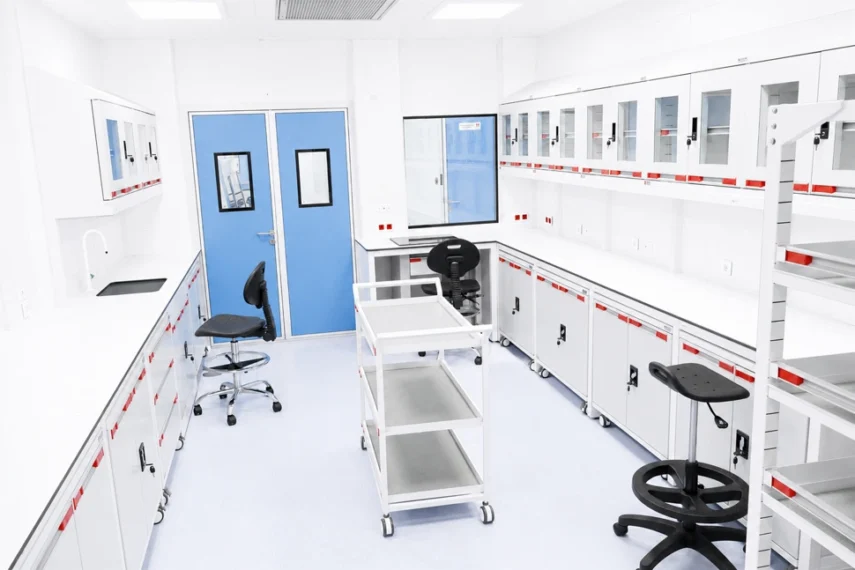
Moving laboratory materials may seem like a simple task, but improper transportation can lead to spills, sample contamination, equipment damage, and workplace injuries. Laboratories often invest in high-quality instruments while overlooking the importance of selecting the right transport equipment for daily operations.
This is where laboratory trolleys become essential. Designed to safely transport chemicals, instruments, samples, and laboratory supplies, they improve workflow efficiency while reducing manual handling risks. Understanding the best practices for selecting and using lab trolleys helps laboratories protect personnel, preserve valuable materials, and maintain safe operations.
Lab trolleys are mobile transport systems specifically designed for laboratory environments where safety, cleanliness, and equipment protection are critical. Unlike general-purpose carts, laboratory trolleys are engineered to withstand frequent cleaning, chemical exposure, heavy loads, and continuous daily use. Depending on the application, they may include chemical-resistant shelves, lockable casters, raised edges, drawers, enclosed compartments, or specialized holders for laboratory equipment.
They are commonly used in research laboratories, hospitals, pharmaceutical facilities, universities, quality control laboratories, and industrial testing environments where materials must be transported safely between workstations. By improving material handling, laboratory trolleys help laboratories increase efficiency while minimizing the risk of accidents and product damage.
Properly selected Laboratory Trolleys contribute to both operational efficiency and workplace safety.
• Safe Material Transportation:
Laboratory Trolleys reduce manual lifting by allowing personnel to transport chemicals, instruments, glassware, and samples safely throughout the laboratory. This minimizes physical strain while reducing the risk of dropping valuable or hazardous materials.
• Improved Workflow Efficiency:
Moving multiple items simultaneously saves time and reduces unnecessary trips between laboratory areas. Lab trolleys streamline workflows by allowing personnel to organize materials before transport, improving productivity during routine operations.
• Equipment Protection:
Sensitive instruments and fragile laboratory supplies require stable transportation. High-quality laboratory trolleys incorporate rigid construction, smooth mobility, and secure shelving that minimize vibration and accidental movement during transport.
• Operator Safety:
Ergonomic handles, stable frames, and lockable wheels allow lab trolleys to remain easy to maneuver while maintaining control under varying load conditions. These features help reduce workplace injuries associated with manual material handling.
Selecting the right Laboratory Trolleys depends on both laboratory operations and the materials being transported.
• Material Construction:
The trolley should be manufactured from materials suitable for the laboratory environment. Stainless steel provides excellent durability and chemical resistance, while phenolic or polymer surfaces may be preferred for applications requiring corrosion resistance or lightweight mobility.
• Load Capacity:
Every Lab trolley is designed to support a maximum working load. Selecting the proper capacity ensures structural stability while protecting both transported materials and laboratory personnel.
• Mobility Requirements:
Wheel quality directly affects maneuverability. Large, high-quality casters with locking mechanisms improve stability while allowing laboratory trolleys to move smoothly across different floor surfaces.
• Storage Configuration:
Shelves, drawers, enclosed cabinets, or specialized accessories should match the intended laboratory application. Selecting the proper configuration improves organization and reduces handling time.
Before selecting laboratory trolleys, verify:
• Load capacity
• Material construction
• Chemical resistance
• Wheel quality and locking system
• Shelf configuration
• Ergonomic handle design
• Cleaning requirements
• Overall dimensions
• Manufacturer quality specifications
Reviewing these factors helps ensure laboratory trolleys provide long-term durability, safe operation, and reliable daily performance.
| Feature | General Utility Cart | Laboratory Trolleys |
|---|---|---|
|
Chemical Resistance |
Limited |
High |
|
Load Stability |
Moderate |
Excellent |
|
Equipment Protection |
Standard |
Enhanced |
|
Long-Term Durability |
Moderate |
High |
Although utility carts may be suitable for general transport tasks, laboratory trolleys are specifically designed to meet the safety, durability, and cleanliness requirements of laboratory environments.
Many laboratories reduce safety and efficiency by overlooking important factors when selecting or using laboratory trolleys.
• Choosing the Wrong Material:
Using lab trolleys made from materials that cannot withstand chemicals or frequent cleaning often leads to corrosion, deterioration, and premature replacement.
• Overloading the Trolley:
Exceeding the recommended load capacity affects stability, increases wear, and creates unnecessary safety risks during transportation.
• Ignoring Wheel Quality:
Low-quality or non-locking casters reduce maneuverability and make laboratory trolleys more difficult to control, especially when transporting sensitive equipment.
• Selecting an Inadequate Configuration:
Choosing too few shelves or insufficient storage compartments reduces efficiency and often forces operators to make multiple unnecessary trips.
• Neglecting Routine Maintenance:
Regular inspection of wheels, fasteners, handles, and structural components helps ensure laboratory trolleys continue operating safely throughout their service life.
Efficient laboratory operations depend not only on advanced equipment but also on safe and reliable material handling. Poor transportation practices increase the risk of accidents, equipment damage, and workflow interruptions that directly affect productivity. By selecting high-quality laboratory trolleys, evaluating laboratory requirements, and following proven best practices, organizations can improve operational efficiency while protecting personnel, valuable equipment, and research materials. Investing in properly designed lab trolleys is a practical decision that supports safer workflows, better organization, and long-term laboratory performance.
Lab trolleys are designed to transport laboratory glassware, analytical instruments, chemical containers, biological samples, testing equipment, consumables, and other materials that require safe handling during daily operations.
Yes. Many lab trolleys are manufactured using stainless steel or other low-particle materials that support cleaning protocols and controlled environments such as cleanrooms and pharmaceutical facilities.
The lifespan of lab trolleys depends on construction quality, operating conditions, maintenance practices, and load requirements, but high-quality models are designed to provide reliable service for many years.
Yes. Many manufacturers offer lab trolleys with configurable shelves, drawers, locking cabinets, instrument holders, and other accessories to meet specialized laboratory requirements.
Properly designed lab trolleys reduce repetitive lifting, minimize manual material handling, improve operator posture, and help personnel transport heavy or sensitive materials more safely throughout the laboratory.

Looking for a personalized quote on laboratory design or customized laboratory furniture?
We support your project with fully managed design & manufacturing solutions, ensuring every detail aligns with your workflow, safety needs, and performance requirements.
 Expert guidance included — free 3D design
Our lab safety specialists review your project personally.
 Fully custom — material, dimensions, configuration & finish
Furniture designed around your lab’s workflow, space constraints, and compliance requirements.
 American owned & operated — nationwide delivery
Manufactured and supported from Florida.