
In This Article, You’ll Learn: how stainless steel stretchers support hygienic patient transport in healthcare environments, which design features have the greatest impact on infection control, durability, and mobility, what to evaluate before selecting a stretcher, and how to choose the right solution for your hospital, laboratory, or healthcare facility.
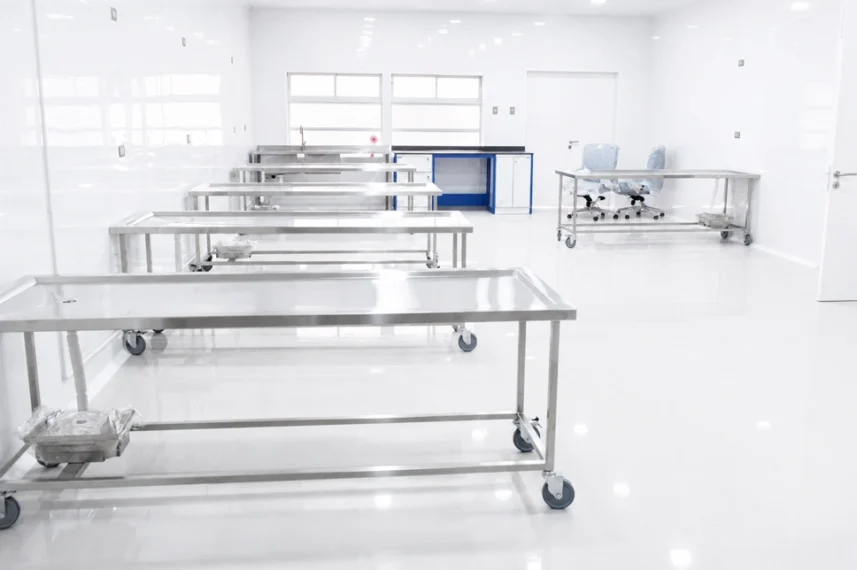
In healthcare facilities, laboratories, cleanrooms, and surgical environments, patient transport involves much more than moving someone from one location to another. Every transfer creates opportunities for cross-contamination, equipment damage, workflow interruptions, and unnecessary exposure if the transport equipment is not designed for strict hygiene protocols.
This is why a stainless steel stretcher is considered one of the most reliable solutions for controlled environments. Its corrosion-resistant construction, smooth surfaces, and compatibility with frequent disinfection allow healthcare professionals to maintain high hygiene standards while ensuring safe and efficient patient transport. Understanding what differentiates a high-quality laboratory steel stretcher helps facilities improve infection control, durability, and long-term operational performance.
A stainless steel stretcher is specifically engineered for environments where hygiene, durability, and frequent cleaning are essential. Unlike stretchers manufactured with painted steel or materials that deteriorate over time, stainless steel offers exceptional resistance to corrosion, disinfectants, moisture, and repeated sanitation cycles. This makes it particularly suitable for hospitals, laboratories, pharmaceutical facilities, cleanrooms, and other healthcare environments where contamination control is a priority. The overall design of a laboratory steel stretcher combines structural strength with hygienic construction to support safe patient transport under demanding conditions.
• Corrosion-Resistant Materials:
Material selection is the foundation of hygienic transport. A high-quality laboratory steel stretcher is manufactured using stainless steel grades that resist corrosion caused by disinfectants, humidity, biological fluids, and aggressive cleaning agents. Because stainless steel does not easily deteriorate, it maintains smooth, sanitary surfaces throughout years of continuous use.
• Seamless Construction:
Surface design directly influences contamination control. Well-designed stainless steel stretchers feature polished welds, rounded edges, and minimal joints where bacteria, dirt, or fluids could accumulate. Reducing crevices simplifies cleaning procedures and improves the effectiveness of routine disinfection protocols.
• Easy Cleaning and Disinfection:
Healthcare equipment must withstand constant cleaning without degrading. A properly designed stainless steel stretcher allows personnel to quickly disinfect every exposed surface using standard hospital cleaning procedures. Its non-porous finish helps prevent contaminants from penetrating the material, supporting effective infection prevention programs.
• Mobility and Safe Patient Handling:
Transport equipment should move efficiently without compromising stability. Modern stainless steel stretchers incorporate smooth-rolling casters, reliable braking systems, ergonomic push handles, and secure side rails that improve maneuverability while protecting both patients and caregivers. Good mobility supports safer transfers and reduces unnecessary handling risks.
• Long-Term Structural Durability:
Healthcare transport equipment experiences continuous daily use. A durable stainless steel stretcher maintains its structural integrity under repeated loading, cleaning, and transportation cycles while minimizing maintenance requirements. Its long service life often results in lower lifecycle costs compared with equipment manufactured from less resistant materials.
Selecting a laboratory steel stretcher begins by evaluating the specific needs of the facility.
• Identify the Application:
Different environments require different transport solutions. Emergency departments, surgical suites, laboratories, isolation units, and cleanrooms may require different dimensions, accessories, weight capacities, or mobility configurations.
• Evaluate Material Quality:
Not all stainless steel provides the same level of performance. Verify the stainless steel grade, corrosion resistance, weld quality, and overall finish to ensure long-term durability under frequent cleaning and disinfecting.
• Review Mobility Features:
Efficient transport depends on more than wheels. Evaluate caster quality, braking systems, steering performance, side rails, mattress compatibility, and ergonomic handling features before selecting a stainless steel stretcher.
• Consider Cleaning Requirements:
Equipment should simplify infection prevention rather than complicate it. Look for seamless construction, smooth surfaces, accessible cleaning areas, and materials compatible with your facility’s disinfection protocols.
Before selecting a stainless steel stretcher, verify:
• Stainless steel grade and corrosion resistance.
• Smooth, seamless surface construction.
• Cleaning and disinfection compatibility.
• Load capacity and structural durability.
• Mobility and braking performance.
• Side rails and patient safety features.
• Ergonomic handling design.
• Maintenance requirements and expected service life.
Reviewing these factors helps ensure the stretcher delivers hygienic, safe, and reliable patient transport.
| Feature | Stainless Steel Stretcher | Standard Painted Steel Stretcher |
|---|---|---|
|
Corrosion Resistance |
Excellent |
Moderate |
|
Hygienic Surface |
Excellent |
Moderate |
|
Chemical Resistance |
High |
Limited |
|
Cleaning Efficiency |
Excellent |
Moderate |
|
Long-Term Durability |
Excellent |
Moderate |
|
Maintenance Requirements |
Low |
Higher |
Although both options perform basic patient transport, a stainless steel stretcher provides superior hygiene, corrosion resistance, durability, and long-term value in environments where contamination control is essential.
Many facilities overlook important factors when selecting transport equipment.
• Prioritizing Initial Cost Over Durability:
Lower-cost stretchers often require more repairs, replacements, and maintenance over time.
• Ignoring Surface Design:
Seams, rough finishes, and exposed joints make cleaning more difficult and increase contamination risks.
• Overlooking Mobility Features:
Poor-quality wheels, braking systems, or steering mechanisms reduce transport efficiency and increase operator effort.
• Choosing Materials That Cannot Withstand Frequent Cleaning:
Equipment exposed to daily disinfectants should maintain its structural integrity throughout years of use.
• Failing to Match the Stretcher to the Facility’s Needs:
Different healthcare environments require different configurations. Selecting a generic solution may reduce operational efficiency and compromise workflow.
A stainless steel stretcher is far more than a patient transport device—it is an essential component of infection prevention, operational efficiency, and long-term healthcare performance. By selecting equipment with corrosion-resistant materials, seamless construction, ergonomic mobility, and durable structural design, healthcare facilities can improve hygiene standards while reducing maintenance and replacement costs. Investing in a high-quality laboratory steel stretcher helps create safer environments for patients, healthcare professionals, and everyone involved in daily clinical operations.
A laboratory steel stretcher offers excellent corrosion resistance, easy cleaning, and long-term durability, making it ideal for hospitals, laboratories, surgical areas, and other environments where infection control is critical.
Yes. A high-quality laboratory steel stretcher is specifically designed to tolerate repeated exposure to disinfectants and cleaning agents without corroding or losing structural integrity.
When selecting a laboratory steel stretcher, evaluate material quality, seamless construction, mobility features, load capacity, braking systems, cleaning compatibility, and overall durability.
Yes. A laboratory steel stretcher is widely used in cleanrooms, pharmaceutical facilities, research laboratories, and healthcare environments because its smooth, non-porous surfaces support strict contamination control protocols.
A laboratory steel stretcher minimizes maintenance, resists corrosion, withstands intensive cleaning, and provides a longer service life, reducing replacement frequency and lowering total ownership costs.

Looking for a personalized quote on laboratory design or customized laboratory furniture?
We support your project with fully managed design & manufacturing solutions, ensuring every detail aligns with your workflow, safety needs, and performance requirements.
 Expert guidance included — free 3D design
Our lab safety specialists review your project personally.
 Fully custom — material, dimensions, configuration & finish
Furniture designed around your lab’s workflow, space constraints, and compliance requirements.
 American owned & operated — nationwide delivery
Manufactured and supported from Florida.