
In This Article, You’ll Learn: how pass-through boxes protect controlled environments, which performance features have the greatest impact on contamination control, what to evaluate before selecting a system, and how to choose the right solution for your laboratory or cleanroom.
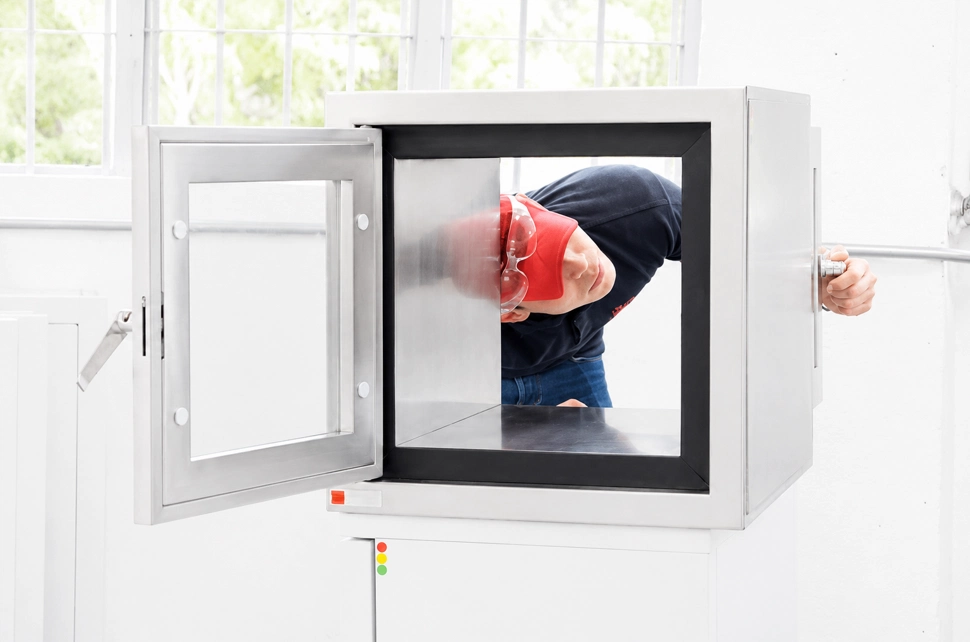
Maintaining contamination control is one of the biggest challenges in laboratories, cleanrooms, pharmaceutical facilities, and other controlled environments. Even a brief exposure to airborne particles or microorganisms during material transfer can compromise product quality, research results, and regulatory compliance.
This is why pass-through boxes have become an essential part of contamination control strategies. They allow materials to move between areas with different cleanliness classifications while minimizing the risk of cross-contamination. However, not all pass-through boxes provide the same level of protection. Their effectiveness depends on design, construction, and the performance features built into the system.
Pass-through boxes are specialized transfer systems that reduce contamination risks by creating a controlled barrier between two separate environments. Instead of personnel carrying materials directly through cleanroom doors, items are transferred through an enclosed chamber that limits airflow disruption and helps preserve environmental integrity.
These systems are commonly installed in pharmaceutical facilities, biotechnology laboratories, healthcare environments, semiconductor manufacturing, food production, and other industries where contamination control is critical. Their primary objective is simple: improve operational efficiency while protecting sensitive environments from unnecessary contamination.
The performance of pass-through boxes depends on several integrated features that work together to maintain contamination control.
• Interlocking Door Systems:
One of the most important safety features is the interlocking mechanism, which prevents both doors from opening simultaneously. Whether mechanical or electronic, this system maintains pressure differentials between controlled and uncontrolled areas while significantly reducing the possibility of cross-contamination.
• HEPA Filtration:
Many pass-through boxes include HEPA filtration systems that continuously remove airborne particles from the transfer chamber. This feature is particularly valuable in pharmaceutical manufacturing, semiconductor production, and other applications where airborne contamination must be minimized.
• UV Sterilization:
Some models incorporate ultraviolet (UV) sterilization to reduce microbial contamination on transferred materials. Although UV systems do not replace proper cleaning procedures, they provide an additional level of protection for applications requiring enhanced contamination control.
• Durable Construction:
High-quality pass-through boxes are typically manufactured from stainless steel or other corrosion-resistant materials capable of withstanding frequent cleaning, disinfectants, and continuous operation. Smooth, non-porous surfaces also simplify maintenance while reducing areas where contaminants can accumulate.
Selecting the right pass-through box requires evaluating your operational requirements rather than focusing on individual features alone.
• Match the System to Your Environment:
Different industries require different contamination control strategies. For example, pharmaceutical cleanrooms, research laboratories, hospitals, and electronics manufacturing each have unique cleanliness standards that influence equipment selection.
• Evaluate Air Quality Requirements: Facilities with strict airborne particle control should consider models equipped with HEPA filtration or dynamic airflow systems that actively clean the transfer chamber during operation.
• Consider Operational Frequency:
High-volume facilities require equipment designed for continuous use, with durable materials, reliable interlocking systems, and components capable of handling frequent operation without performance degradation.
• Prioritize Ease of Operation:
Simple controls, visual status indicators, and intuitive operation reduce user errors while improving workflow consistency and overall productivity.
Before selecting pass-through boxes, verify several important factors:
• Construction material and corrosion resistance.
• Interlocking door reliability.
• HEPA filtration efficiency, when required.
• UV sterilization specifications.
• Compatibility with your cleanroom classification.
• Ease of cleaning and maintenance.
• Manufacturer experience with controlled environments.
Reviewing these factors helps ensure long-term reliability while supporting contamination control and regulatory compliance.
| Feature | Static Pass-Through Box | Dynamic Pass-Through Box |
|---|---|---|
|
Air Filtration |
No |
Yes (HEPA) |
|
Contamination Control |
Good |
Excellent |
|
Operating Cost |
Lower |
Higher |
|
Cleanroom Applications |
Standard |
Critical |
|
Best Use |
General Material Transfer |
Pharmaceutical, Semiconductor, High-Cleanliness Areas |
Static pass-through boxes are well suited for applications where maintaining a physical separation between environments is sufficient. Dynamic pass-through boxes provide a higher level of contamination control by combining enclosed transfer with HEPA-filtered airflow, making them the preferred solution for highly controlled environments. The best choice depends on your cleanliness requirements, operational procedures, and regulatory expectations.
Many contamination control issues originate from selecting the wrong pass-through box rather than from equipment failure.
• Choosing Equipment Based Only on Cost:
Lower-priced systems may lack critical features such as reliable interlocks or filtration, reducing contamination protection over time.
• Ignoring Cleanroom Classification:
Equipment should always be selected according to the cleanliness requirements of the facility rather than assuming one model fits every application.
• Overlooking Maintenance Requirements:
Filters, UV lamps, and door seals require periodic inspection to ensure the equipment continues operating as designed.
• Underestimating User Training:
Even high-performance equipment can become ineffective if operators do not follow established transfer procedures.
• Selecting the Wrong Type of Pass-Through Box:
Using a static system in applications requiring active air filtration can compromise contamination control and increase operational risk.
Pass-through boxes play a critical role in protecting controlled environments by reducing contamination during material transfer. Choosing the right system requires more than comparing product specifications. It involves understanding your facility’s cleanliness requirements, operational workflow, maintenance expectations, and regulatory obligations. By selecting equipment with appropriate contamination control features, durable construction, and reliable operating systems, organizations can improve laboratory safety, increase operational efficiency, and maintain long-term environmental integrity.
Pass-through boxes should be inspected regularly according to the facility’s maintenance program. Routine inspections of door seals, interlocking systems, filters, and other critical components help ensure consistent performance and reduce the risk of contamination.
Yes. Most pass-through boxes can be customized to fit existing cleanroom walls and facility layouts, making them suitable for both new construction and renovation projects without major structural modifications.
Absolutely. Pass-through boxes are widely used in pharmaceutical facilities because they help maintain contamination control during material transfer while supporting compliance with strict manufacturing and cleanroom standards.
Yes. Modern pass-through boxes can be configured with different dimensions, materials, filtration systems, UV sterilization, automation features, and monitoring options to meet the specific requirements of each facility.
When evaluating a pass-through boxes supplier, consider their experience with cleanroom equipment, customization capabilities, manufacturing quality, regulatory knowledge, after-sales support, and proven track record in contamination-controlled environments.

Looking for a personalized quote on laboratory design or customized laboratory furniture?
We support your project with fully managed design & manufacturing solutions, ensuring every detail aligns with your workflow, safety needs, and performance requirements.
 Expert guidance included — free 3D design
Our lab safety specialists review your project personally.
 Fully custom — material, dimensions, configuration & finish
Furniture designed around your lab’s workflow, space constraints, and compliance requirements.
 American owned & operated — nationwide delivery
Manufactured and supported from Florida.